Everyday Ugly: The Friendly Display Font for Handmade Brands
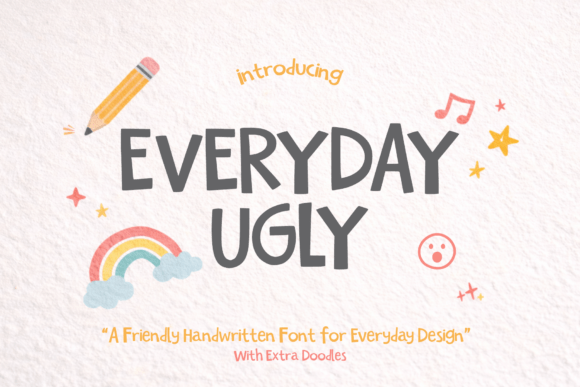
Don't let the name fool you—the Everyday Ugly font is a masterclass in approachable, "friendly" typography designed for modern creators. This Everyday Ugly typeface mimics a casual, natural hand-printed style that feels instantly welcoming to anyone who sees it. As a maker who spends hours designing labels, cutting stickers, and creating digital downloads, I know exactly how much a specific font can change the perceived value of a product. When you are selling handmade goods, the text on your packaging often speaks louder than the item itself. It sets the tone, builds trust, and tells a story before a customer even touches the product.
Everyday Ugly stands out as a premium display font that brings a warm, imperfect charm to any project. Unlike rigid, perfect vector fonts that can feel cold or corporate, this typeface embraces the quirks of human handwriting. It captures the essence of a quick note scribbled on a kitchen table or a sign painted with a brush. This personality is exactly what small business owners need to differentiate their brand identity in a crowded marketplace. Whether you are running an Etsy shop, creating SVG files for Cricut users, or designing printable planners, having a creative font that balances readability with character is essential.
Bringing Personality to Physical Products
One of the most common challenges for crafters is finding a font that looks good on both a large wall sign and a tiny product label. Everyday Ugly excels in these practical scenarios because its letterforms are bold yet distinct. When applied to candle jars, soap bars, or boutique tags, the font adds a layer of artisanal authenticity. Customers associate this kind of typography with care and attention to detail. A simple jar of soy wax becomes a curated experience when the label features the friendly strokes of Everyday Ugly.
I have found this display font particularly effective for seasonal craft designs. Imagine creating holiday gift tags for Christmas or Halloween party invitations. The font's natural flow allows for decorative wording that feels festive without being overly ornate. It works beautifully for farmhouse signs, where the goal is rustic charm rather than sleek modernism. Because the letters have a slight variation in weight and spacing, they avoid looking like a generic computer-generated image. Instead, they look like they were made by hand, which is a huge selling point for handmade businesses.
For those who create physical merchandise like mugs, tote bags, and t-shirts, the versatility of this typeface is a game-changer. You can use it for short phrases, names, or titles that need to grab attention immediately. The strong visual presence ensures that the design remains legible even from a distance. If you are designing a logo for a new coffee shop or a bakery, Everyday Ugly can serve as the primary display element, anchoring your brand with a sense of warmth and approachability.
Perfect for Digital Downloads and Printables
The utility of Everyday Ugly extends far beyond physical goods into the realm of digital assets. Stationery designers and printable creators love this font because it translates perfectly to high-resolution PDFs and images. When you sell wedding stationery, planner pages, or social media graphics, the font needs to be crisp and clear. Everyday Ugly delivers on all fronts. Its clean lines make it easy to read on screens, while its handwritten flair adds the emotional connection that buyers crave.
Consider the scenario of designing a set of printable wall art. Using Everyday Ugly for the main title creates an instant focal point. You can pair it with smaller text for quotes or instructions, creating a balanced composition that guides the viewer's eye. For invitation designers, this font is ideal for the "Save the Date" headers or the names of the couple. It conveys a relaxed, celebratory mood that fits perfectly with modern weddings and parties. The fact that it supports multilingual characters means you can expand your product line to international clients without losing the cohesive look of your brand.
Digital download creators should also appreciate the included styles and alternates often found in high-quality font families. These variations allow you to customize your designs further, adding swashes or alternate characters to break up repetitive patterns. When building templates for clients, having access to these details ensures that every project feels unique and professionally finished. It elevates your offering from a basic template to a comprehensive design asset.
Practical Readability and Cutting Machine Tips
While the aesthetic appeal is undeniable, functionality is just as important for makers. When using Everyday Ugly for cutting machines like Silhouette or Cricut, it is crucial to test the kerning and spacing at different sizes. For small stickers or intricate die-cuts, ensure that the thinner parts of the letters do not become too fragile. However, generally, the robust nature of this display font holds up well under the pressure of vinyl cutting and heat pressing.
If you are creating mockup previews for your shop listings, the font renders beautifully, giving potential customers a realistic idea of how the final product will look. Just remember to check the file formats included with your purchase to ensure compatibility with your design software. Most modern typefaces come in OTF and TTF formats, which work seamlessly with Adobe Illustrator, Photoshop, and Canva. Always verify that the font includes the necessary ligatures and special characters if you plan to use it for complex branding projects.
Strategic Font Pairing for Brand Identity
To maximize the impact of Everyday Ugly, smart font pairing is key. Since this is a display font with a strong personality, it pairs exceptionally well with clean sans serif fonts for body text. This combination creates a modern contrast that keeps the design readable while maintaining visual interest. For example, using Everyday Ugly for headlines and a minimalist sans serif for descriptions on product packaging creates a professional hierarchy.
Alternatively, you can experiment with pairing it with a delicate script font or a more formal handwritten font. This mix can add depth to your designs, perhaps using Everyday Ugly for the main message and a flowing script for accents or signatures. This technique is popular in logo design and web design, where variety prevents the layout from feeling static. By mixing a bold display font with a simple serif font or a light script, you create a dynamic brand identity that feels curated and thoughtful.
Licensing and Commercial Use
As a creator selling physical products, templates, printables, and SVG designs, understanding commercial licensing is non-negotiable. Ensure that your license for Everyday Ugly explicitly covers commercial use. Most premium fonts allow you to use the typeface in client work, merchandise, and digital downloads, but some restrictions may apply to embedding the font directly in apps or websites. Always review the terms provided by the foundry to protect your business and respect the designer's rights.
When used correctly, Everyday Ugly transforms ordinary items into memorable experiences. It bridges the gap between digital precision and analog warmth, making it an indispensable tool for anyone serious about their craft. Whether you are labeling a batch of homemade jams or launching a full line of stationery, this typeface offers the flexibility and charm needed to succeed. Embrace the friendly vibe, focus on quality, and watch your brand grow with the help of this versatile creative font.